

The future of agricultural education:
Where digital learning meets the field
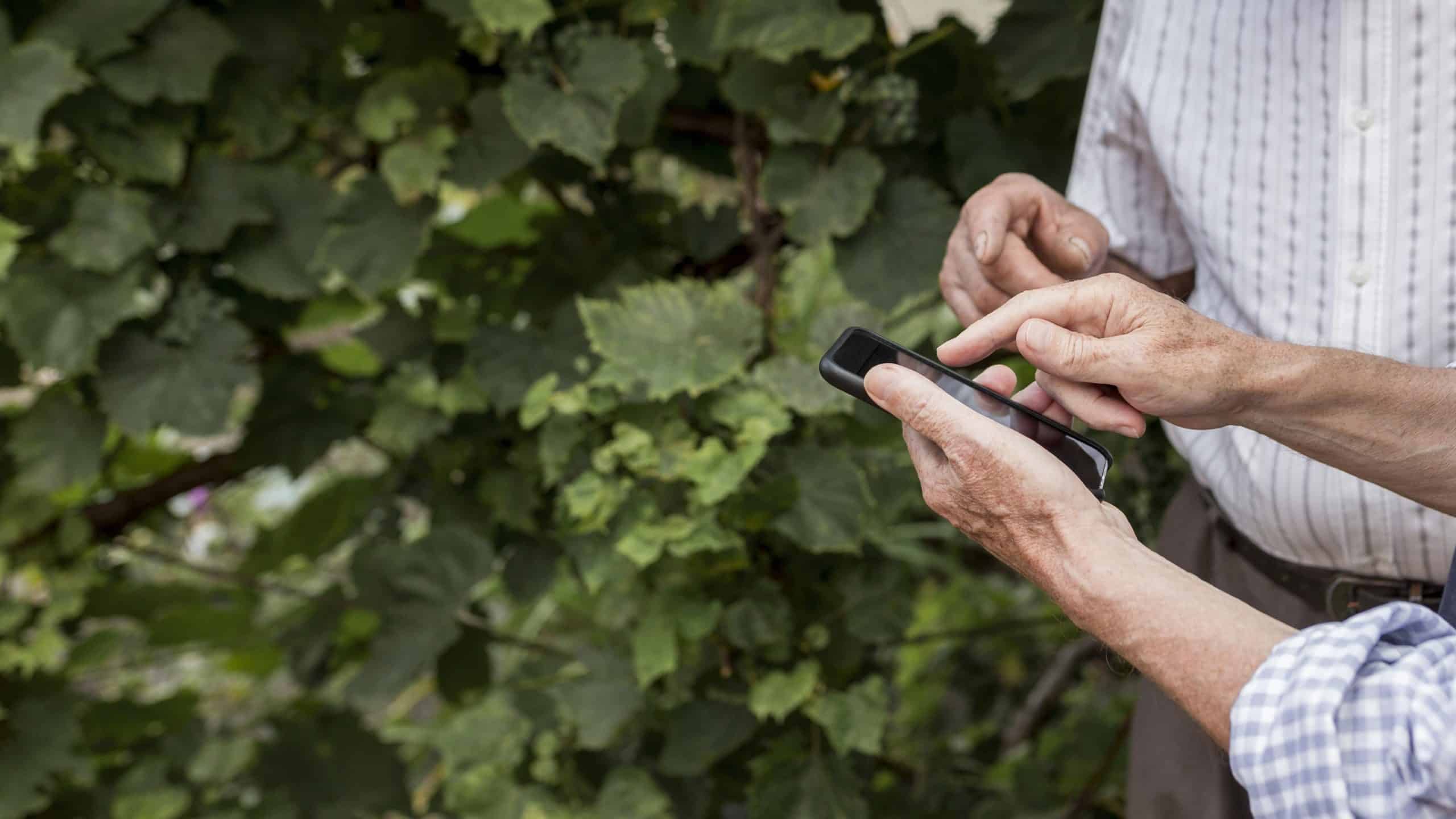
Farming is lifelong learning at full speed. New challenges show up unannounced in the form of a mysterious leaf spot, a broken water pump, an unexpected drought or new regulations and market prices. It is a profession where every season rewrites the rules. Conditions change daily, decisions have immediate financial consequences and knowledge becomes quickly outdated.
And yet, while farmers are expected to learn constantly, they’re also the people with the least time to sit in a classroom. The farm doesn’t pause politely while you attend a workshop. Besides – for some farmers only the journey to the nearest training center might be too time-consuming, too expensive, too unreliable, or even too unsafe.
Learning that happens in motion
Few people have observed the everyday learning habits of smallholder farmers as closely as Lysette T. Lacambra, Technical Support Hub Manager for East‑West Seed Knowledge Transfer Foundation (EWS‑KT). Her work spans more than 15 years across Africa and Asia, strengthening field teams, developing training materials, and helping farmers translate agricultural science into practical decisions. With degrees in plant pathology from the University of the Philippines Los Baños and Wageningen University & Research, she brings both scientific depth and field‑level pragmatism to her role. In 2025, she was recognized with Second Place in the Women in Ag Award (Education category).
“In farmers’ everyday lives, learning happens in practical and social ways,” she says. “They learn while working in their fields, observing neighbors’ practices, or exchanging ideas with fellow farmers. They also learn through more structured approaches like in‑person training, learning farms, and demo plots — and through radio, TV, and now digital tools.” 
Digital access hasn’t replaced these traditional pathways. It has widened them. A farmer who once relied solely on a neighbor’s advice can now watch a pruning technique on a phone, compare pest symptoms with a photo library, or hear from peers hundreds of kilometers away. But Lacambra is quick to point out that technology alone doesn’t change behavior.
“Many farmers still rely on a ‘seeing is believing’ mindset,” she says. “Hands‑on, visual proof in the field remains essential for them to adopt new practices. That’s why blending digital learning with physical training is still needed.”
A partnership built on real‑world needs
SkillEd and East‑West Seed have been working together for years across multiple countries in Africa and Asia, building training systems that reflect how farmers actually learn. What began as collaboration on specific training challenges has grown into a long‑term partnership: SkillEd brings expertise in digital learning design; EWS‑KT brings deep agricultural knowledge and a strong field presence. Together, we have co‑developed tools, curricula, and blended learning approaches that reach farmers who would otherwise be left out. 
One of the most visible results of this partnership is Veggie Tap – a digital learning app created specifically for smallholder vegetable farmers. Veggie Tap is now used across Africa and Asia, and its value lies in its timing. It meets farmers at the moment they need help. 
“Veggie Tap expands reach and frequency,” Lacambra explains. “Farmers can access guidance anytime without waiting for scheduled training. It improves timeliness, giving quick advice when issues like pests or weather stresses arise. It ensures consistent technical messages, and supports continuous, self-paced learning that farmers can revisit and share. While hands-on learning and demo farms remain essential, Veggie Tap strengthens these by providing ongoing, on-demand support, making farmer learning more accessible, timely, and responsive.”
Learning that travels faster and reaches further
Digital learning opens possibilities that traditional training simply cannot offer. Farmers can share knowledge with peers they have never met, extending learning far beyond their immediate community. Content can be updated faster than printed manuals or books, allowing farmers to adapt to new pests, varieties, or climate conditions in real time. And digital learning can connect seamlessly with other tools farmers increasingly rely on – from weather alerts to data platforms and advisory apps – creating a more integrated, responsive learning ecosystem.
Digital tools also make it possible to deliver hyper‑local, seasonally relevant content at scale and in the local language – tailored to local pests, local varieties, and local climate patterns. Because farmers learn in short bursts throughout the day, micro‑learning formats – short videos, step‑by‑step clips, and quick reminders – fit naturally into their routines.
Digital platforms support repetition and habit‑building: farmers can replay techniques, receive timely nudges at key crop stages, and reinforce new practices until they stick. Even simple record‑keeping features or data inputs can create feedback loops, helping farmers track outcomes, compare seasons, and make more informed decisions.
And digital learning strengthens extension systems themselves, giving field staff consistent content to work with, reducing training burdens, and creating a shared knowledge base across regions. In times of crisis – floods, conflict, pandemics, or sudden pest outbreaks – digital tools ensure that learning and advisory support can continue even when travel is impossible.
Evidence behind the shift
Taken together, these features make learning more immediate, more practical, and more aligned with the realities of farm life. A farmer who spots a pest at dusk doesn’t have to wait for a field day. A woman who can’t travel to a training center can still access the same information as her male counterparts. A young farmer can replay a video until a technique makes sense. Knowledge becomes portable, repeatable, and shareable.
Research in agricultural extension and digital learning supports these trends. A recent systematic review in AgriEngineering (Digital Literacy and Technology Adoption in Agriculture: A Systematic Review of Factors and Strategies) shows that digital literacy is one of the strongest predictors of whether farmers adopt tools such as mobile advisories, sensor‑based irrigation, or drone monitoring. Studies in agricultural and vocational education consistently find that interactive, visual, and mobile‑based learning improves knowledge retention compared to traditional lectures. Reviews in knowledge‑management research further highlight that digital platforms strengthen peer‑to‑peer learning, make technical information more accessible, and help farmers apply new practices more confidently in the field. Together, these findings reinforce the value of timely, localized, and digitally supported learning systems for smallholder farmers.
When digital literacy is low, simplicity wins
Obviously, digital learning only works if farmers can use the tools. Many older farmers have limited experience with smartphones. Connectivity is patchy. Devices are shared. Confidence varies. “For farmers with low digital literacy or limited connectivity, the most effective approaches are those that keep digital tools simple, accessible, and supported by human interaction,” Lacambra says. Offline access, visual content, and step‑by‑step guidance help reduce barriers. But the real key is support.
“It’s important to include mechanisms like a hotline or direct contact with technical experts,” she explains. “And combining digital tools with local facilitators or peer support helps farmers build confidence.”
A more flexible way to learn
Digital learning in agriculture isn’t a revolution that sweeps away old practices. It’s a quiet evolution that respects the realities of farm life. It fits into the cracks of the day – the waiting moments, the pauses, the evenings after the last chore is done. It gives farmers something they rarely get: control over when and how they learn. And in a profession where every season rewrites the rules, that kind of control isn’t just convenient – it’s transformative.